Marche: IT-alert test at the Castreccioni Dam scheduled for June 20
The test will involve 14 municipalities in the provinces of Ancona and Macerata
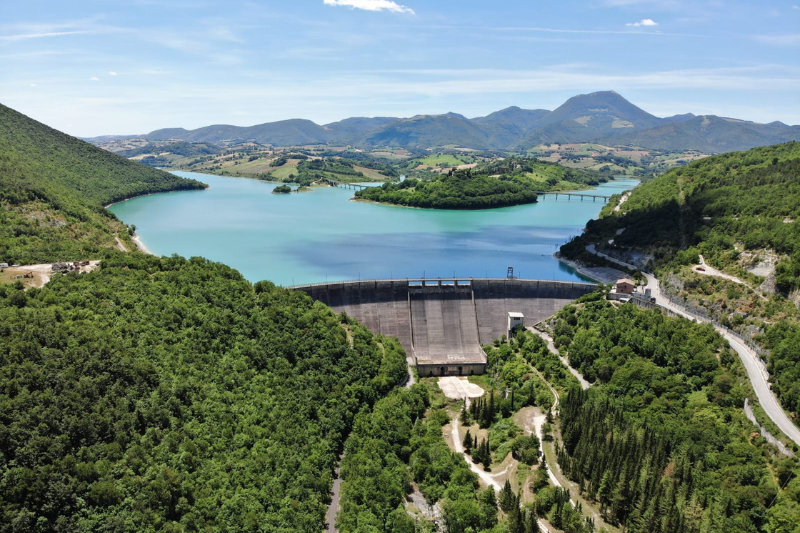
A new test of the public warning system is scheduled for the morning of June 20, 2026, in the Marche region. This time, the simulation will focus on a scenario involving the collapse of the Castreccioni Dam, located between the provinces of Ancona and Macerata.
Periodically testing IT-alert is essential to verify that, in the event of a real emergency, the phone cells in the affected area provide the necessary coverage, and to ensure the efficiency of the communication flows defined in the Civil Protection Document and the Dam Emergency Plan (PED).
The test message will be sent at 11:20 AM in the geographic area potentially at risk of a flood wave, which includes the following municipalities:
▪ Apiro, Cingoli, Recanati, Porto Recanati, Montefano, in the province of Macerata
▪ Staffolo, Filottrano, Jesi, Santa Maria Nuova, Osimo, Castelfidardo, Loreto, Numana, Sirolo, in the province of Ancona
The text of the message will be as follows:
TEST TEST This is an IT-alert TEST MESSAGE. There is an ongoing SIMULATION of a dam collapse in the area where you are. To learn what message you will receive in case of real danger and to fill out the survey, go to www.it-alert.gov.it/en TEST TEST
On the day of the test, a link to a survey will be available on the homepage of the official IT-alert website. All residents in the affected areas are encouraged to complete the survey, whether or not they receive the notification.
The test date may be subject to change if regional civil protection systems are activated due to weather alerts or other emergencies.
Photo credit: Multi-risk Functional Centre - Civil Protection Department of the Marche Region
"Collapse of a large dam" refers to the collapse of the dam structure itself or the occurrence of damages to the dam or landslides that lead to the uncontrolled release of water, such as to reasonably assume the occurrence of a catastrophic event, which generally causes a flood wave and the subsequent flooding of downstream areas. Large dams are regulated by the Directive of the President of the Council of Ministers of July 8, 2014, on "Operational guidelines concerning civil protection activities within basins where large dams are present."
When a risk related to the structural strength of a large dam occurs, it is referred to as "dam risk," which entails four alert phases (pre-alert, reinforced alert, danger, and collapse).
Each dam is required to have a Civil Protection Document (DP), which defines the specific conditions for the activation of the civil protection system, communications, and technical-administrative procedures to be implemented in case of risk, and a Dam Emergency Plan (DEP), which outlines the areas potentially affected by the flood wave, operational strategies, and the intervention model to face the emergency.
IT-alert would be activated in case of collapse of a large dam, that is, a retaining structure exceeding 15 meters in height or resulting in a reservoir volume exceeding 1,000,000 cubic meters.
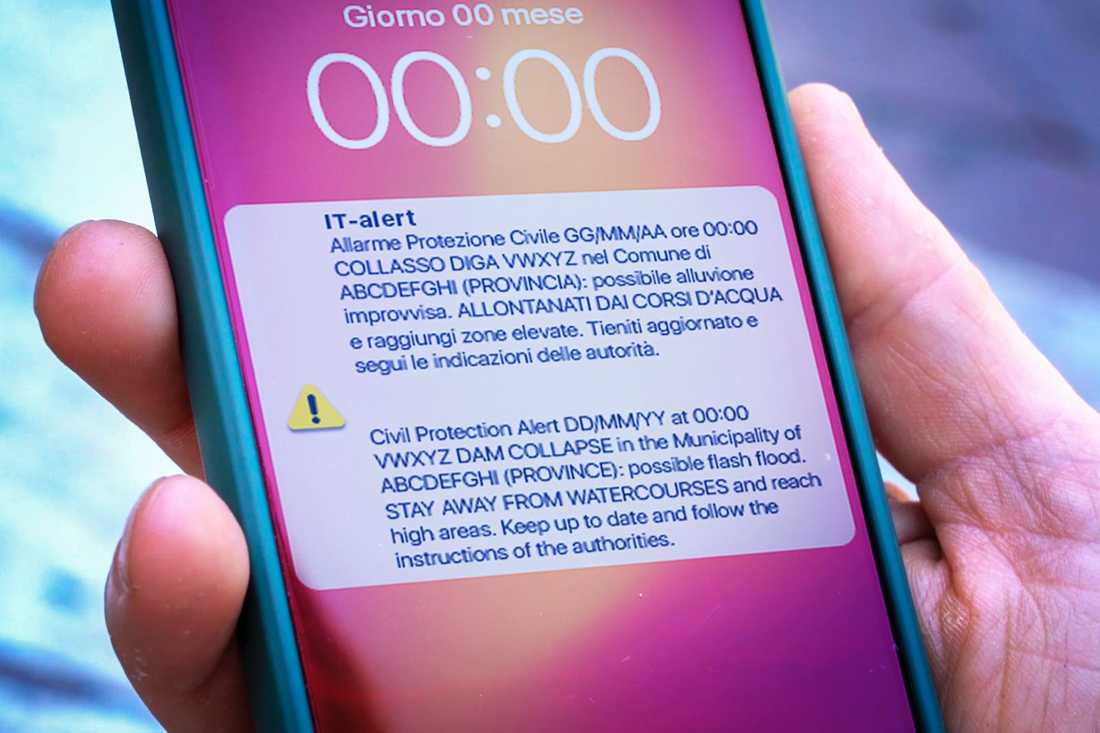
In case of real danger from a large dam collapse, cell phones in the municipalities potentially affected by the flood wave will receive such an IT-alert message:
▪ Civil Protection Alert DD/MM/YY at 00:00 - XYZ DAM COLLAPSE in the Municipality of XYZ (PROVINCE): possible flash flood. STAY AWAY FROM WATERCOURSES and reach high areas. Keep up to date and follow the instructions of the authorities.
However, there may be devices present in areas affected by the emergency that will not receive the message. This is caused by one of the limits of cell-broadcast technology: the impossibility of perfectly overlaying the area potentially affected by the emergency with the area covered by the antennas of the telephone operators used to send the messages.